Dinosaur Collection: Dromaeosaurus Silver Coin
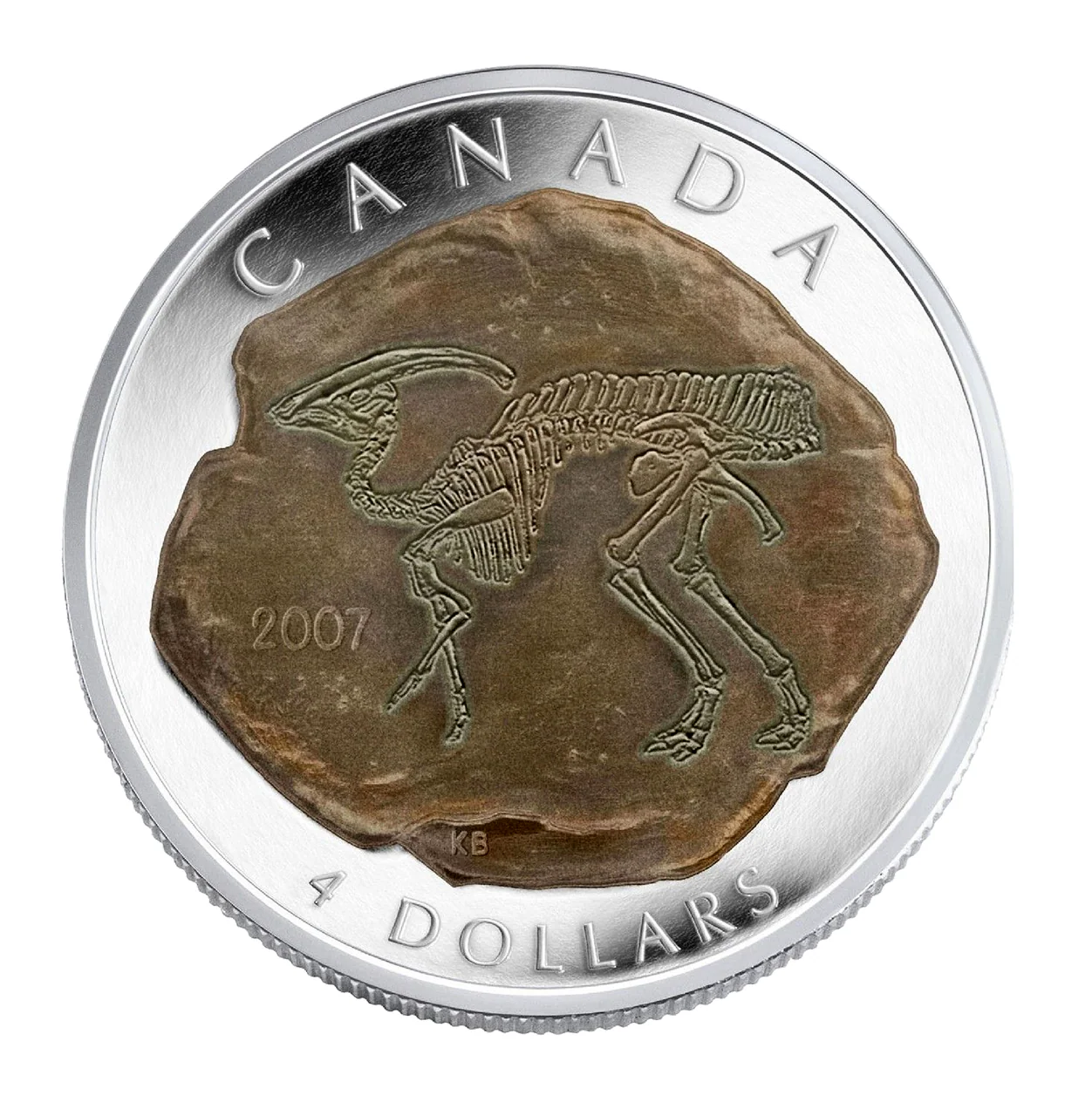
This exciting collection unearths yet another great dinosaur find that will delight coin collectors, nature lovers and budding palaeontologists alike.
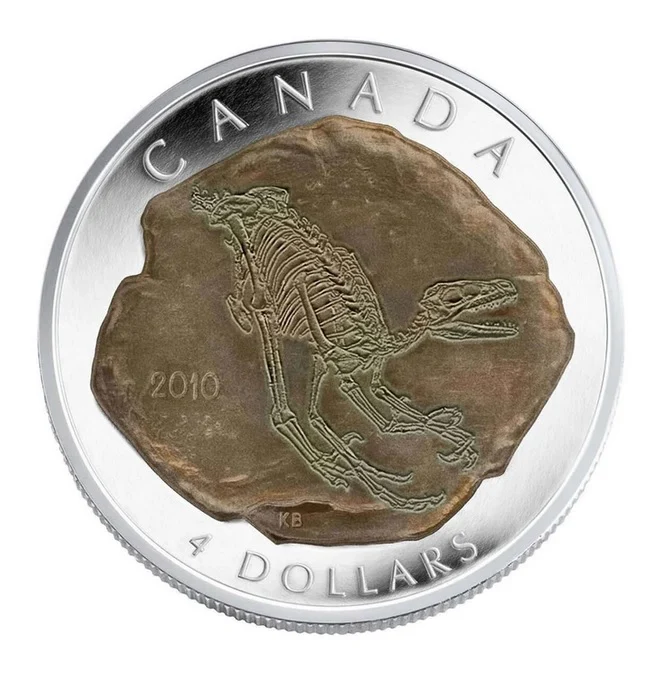
Dromaeosaurus (meaning “running lizard”) was one of two raptor species that lived in Alberta between 74 and 76 million years ago when the province and neighbouring Saskatchewan were the lush subtropical shore of a great inland sea.
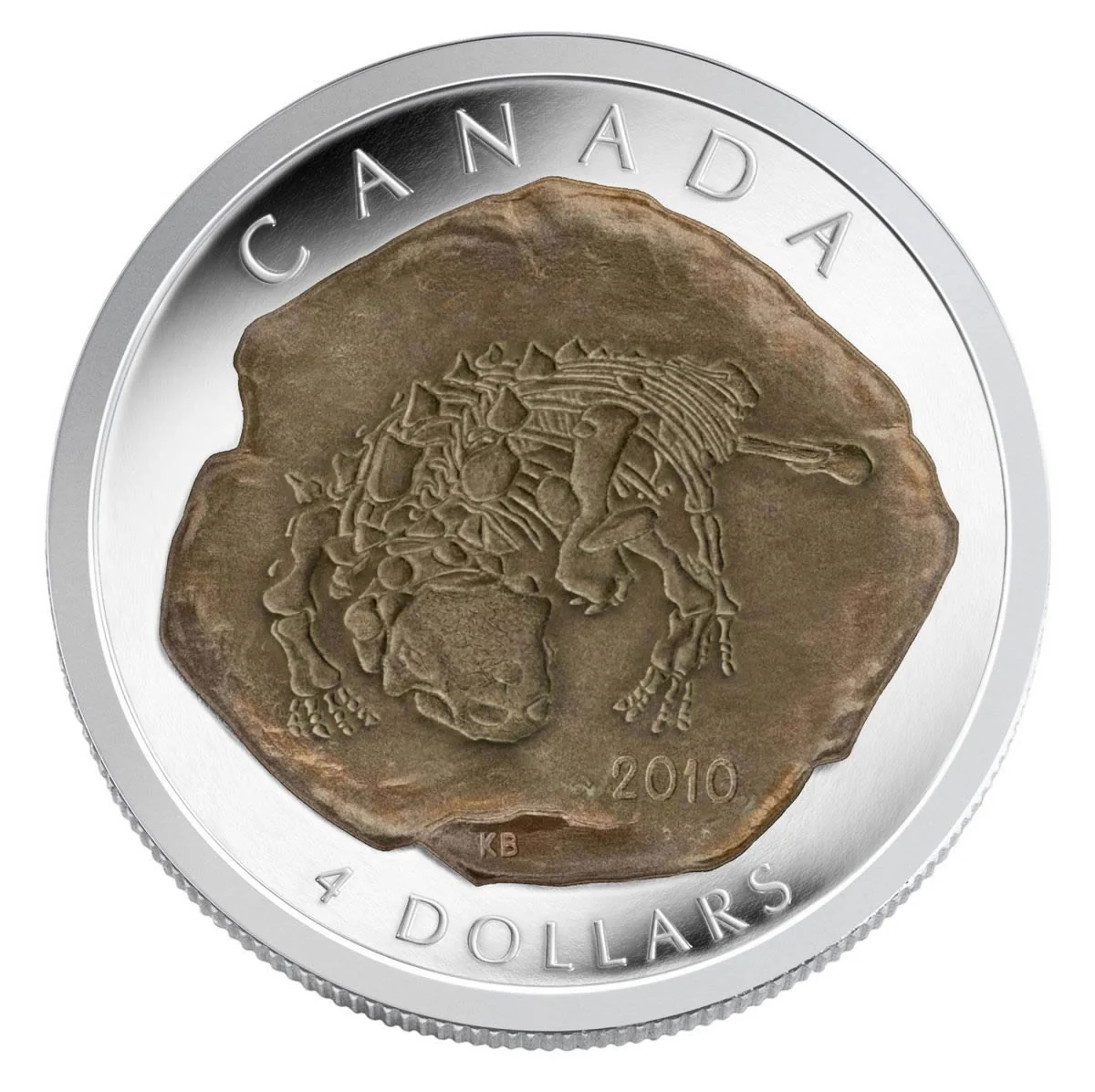
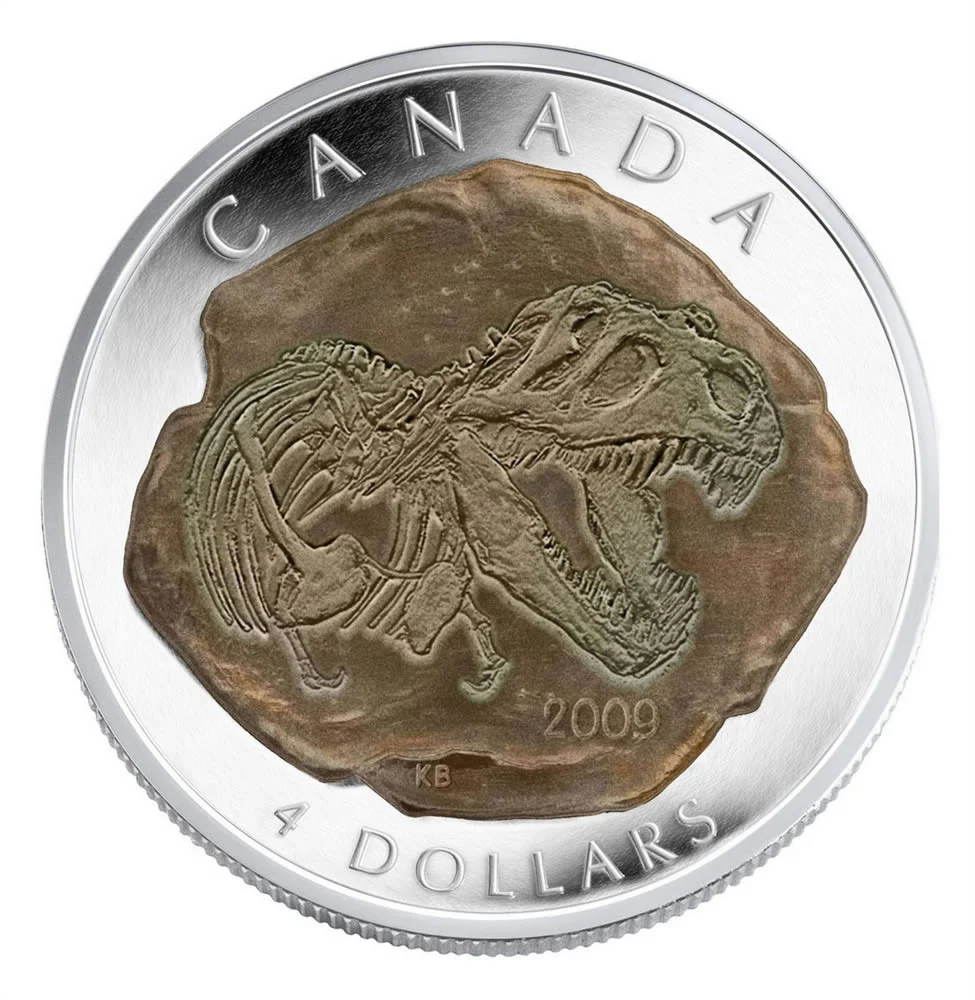
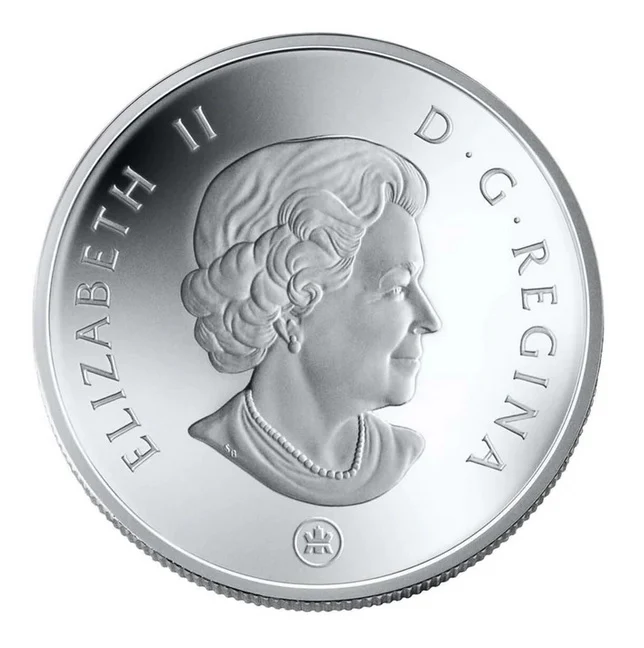
No two coins in this collection are exactly alike, thanks to the unique selective aging effect applied to each 99.99% pure silver coin. To ensure absolute accuracy, this design was approved by palaeontologists at the Royal Tyrell Museum in Alberta.
Original: $47.22
-70%$47.22
$14.17More Images
Dinosaur Collection: Dromaeosaurus Silver Coin
This exciting collection unearths yet another great dinosaur find that will delight coin collectors, nature lovers and budding palaeontologists alike.
Dromaeosaurus (meaning “running lizard”) was one of two raptor species that lived in Alberta between 74 and 76 million years ago when the province and neighbouring Saskatchewan were the lush subtropical shore of a great inland sea.
No two coins in this collection are exactly alike, thanks to the unique selective aging effect applied to each 99.99% pure silver coin. To ensure absolute accuracy, this design was approved by palaeontologists at the Royal Tyrell Museum in Alberta.
Product Information
Product Information
Shipping & Returns
Shipping & Returns
Description
This exciting collection unearths yet another great dinosaur find that will delight coin collectors, nature lovers and budding palaeontologists alike.
Dromaeosaurus (meaning “running lizard”) was one of two raptor species that lived in Alberta between 74 and 76 million years ago when the province and neighbouring Saskatchewan were the lush subtropical shore of a great inland sea.
No two coins in this collection are exactly alike, thanks to the unique selective aging effect applied to each 99.99% pure silver coin. To ensure absolute accuracy, this design was approved by palaeontologists at the Royal Tyrell Museum in Alberta.